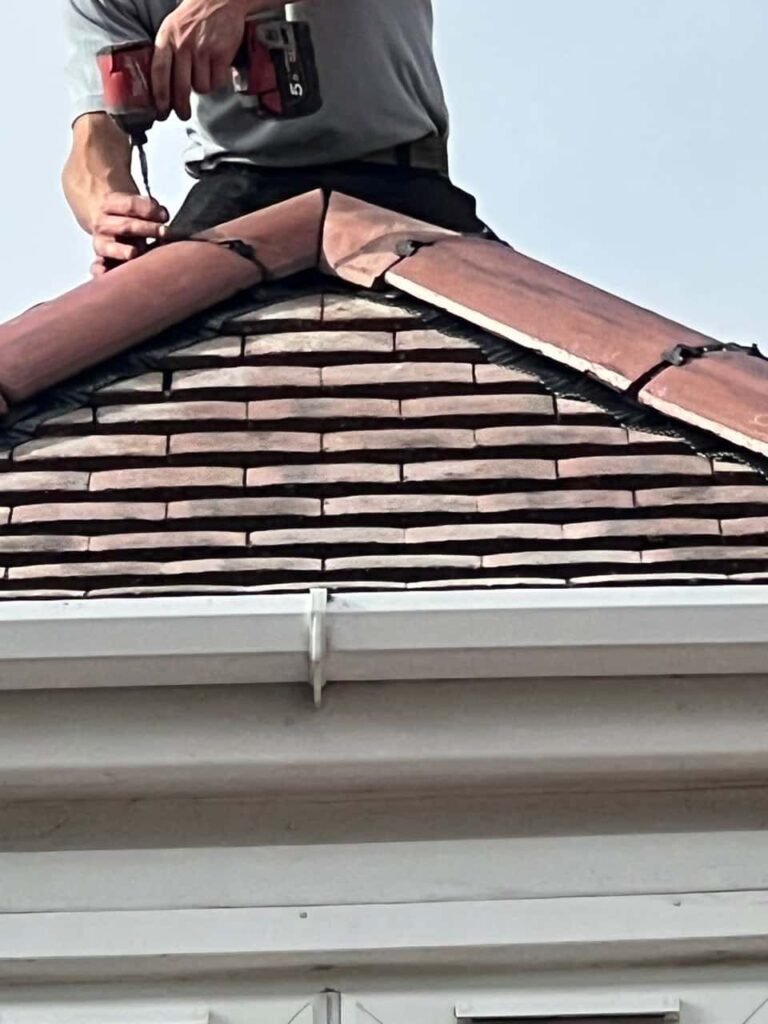
Installing a new roof is a significant improvement that requires careful planning, suitable materials and skilled workmanship. The process involves much more than removing old tiles and fitting new ones. Factors such as the existing roof structure, property design, material selection and weather conditions can all influence how the work is carried out.
For homeowners in Saffron Walden, Essex, understanding these considerations can help make the roof replacement process more straightforward and ensure the finished roof provides reliable protection for years to come.
The Condition of the Existing Roof Structure
One of the first factors to consider is the condition of the existing roof structure. Before installation begins, the roof should be assessed to identify any underlying problems that may need attention.
Roof timbers, rafters and battens provide essential support for the roof covering. If any of these components have suffered from rot, moisture damage or deterioration, they may need repairing or replacing before the new materials are installed.
Installing a new roof covering over an unsuitable supporting structure can lead to further problems. A thorough assessment helps establish what preparation work is necessary to create a stable foundation.
The Type of Roofing Materials Selected
The choice of roofing material has a direct influence on the installation process. Different materials have specific fitting requirements, weights and performance characteristics.
Common options include:
- Concrete tiles: Durable and widely used, these require suitable structural support and correct fixing.
- Clay tiles: Available in different profiles and finishes, they need careful positioning to maintain consistent overlaps.
- Natural slate: Requires specialist handling and precise fixing to achieve a secure and attractive finish.
- Roofing felt and flat roof systems: These involve different preparation and installation techniques depending on the roof design and chosen system.
The existing roof structure, property style and exposure to weather should all be considered when selecting suitable materials. Choosing an appropriate covering helps ensure the installation performs effectively rather than focusing on appearance alone.
Roof Design, Shape and Complexity
Not every roof is straightforward to replace. A simple pitched roof may have relatively uncomplicated installation requirements, whereas a roof with multiple slopes, valleys, dormers and chimneys involves more detailed work.
Each junction creates an area that needs careful attention to prevent water penetration. Roof valleys, ridges, hips and connections around chimneys must be correctly formed and sealed using suitable materials.
Complex roof designs may also require additional cutting, shaping and fitting to ensure the covering follows the structure accurately. Careful planning helps maintain consistent workmanship across the entire roof.
Weather Conditions During Installation
Weather can influence when roofing work can safely and effectively take place. Rain, strong winds and freezing conditions may affect the handling and installation of certain materials.
For example, exposed roof sections can become difficult and hazardous to work on during strong winds. Rain can also interfere with some roofing processes and increase the risk of moisture entering the property while the existing covering is removed.
In Saffron Walden, Essex, installation schedules should account for changing weather conditions. Professional roofers plan the work carefully and take appropriate steps to protect exposed areas if conditions change.
Roof Insulation and Underlay Requirements
A new roof installation provides an opportunity to assess the condition of the materials beneath the visible covering. Underlay helps provide an additional layer of protection against wind-driven rain and moisture that may pass beneath tiles or slates.
Insulation is another important consideration, particularly where the roof forms part of the property’s thermal envelope. Its suitability and positioning can affect heat retention and ventilation within the roof space.
The correct arrangement depends on the roof construction. Ventilation must also be considered to help manage condensation and prevent moisture from accumulating within the roof structure.
Drainage, Fascias and Guttering
A new roof should work effectively with the property’s rainwater drainage system. Gutters, downpipes and roof edges all contribute to directing rainwater away from the building.
During installation, existing fascias and soffits should be checked for signs of deterioration. Damaged components may need attention to ensure the new roof has suitable support and the drainage system continues to function properly.
Gutters should also be positioned correctly to collect water flowing from the roof covering. Poor alignment or inadequate drainage can cause overflowing and moisture problems around the external walls.
Preparation, Access and Installation Planning
The practical arrangements for carrying out the work can also affect the installation process. Roofers need suitable access to the property, safe working arrangements and enough space to handle materials and remove existing roofing components.
Scaffolding may be required depending on the height and design of the property. The installation sequence must also be planned so that the roof is not left unnecessarily exposed during the replacement.
A clear assessment before work begins helps identify potential complications and allows the necessary materials, equipment and labour to be organised.
Why Professional Roof Installation Matters
Every property has different roofing requirements, so a new roof should never be treated as a one-size-fits-all project. Incorrect material selection, inadequate preparation or poorly fitted roof junctions can lead to problems that affect the roof’s long-term performance.
Saffron Walden Roofing Repairs provides roofing services in Saffron Walden, Essex, helping property owners assess their roofing needs and arrange suitable repair and replacement work. Professional attention to the roof structure, materials, drainage and installation details helps ensure that important aspects are not overlooked.
Conclusion
The installation of a new roof is influenced by several factors, including the condition of the existing structure, roofing materials, design complexity, weather conditions, insulation and drainage requirements. Careful planning and professional workmanship are essential to achieving a durable, weather-resistant finish.
If you are considering a new roof for your property in Saffron Walden, Essex, contact Saffron Walden Roofing Repairs to discuss your requirements and arrange a professional roofing assessment.
Call us on: 01799 611 596
Click here to find out more about Saffron Walden Roofing Repairs
Click here to complete our contact form and see how we can help with your roofing needs.